Pixel Skate
 Pixel Artist
 Happy Kittens Puzzle
 Penguin Cafe
 Animal Connection
 Snakes N Ladders
 Pixel Skate
 BeeLine
 Draw Parking
 Draw Racing
 Soccer Balls
 Happy Fishing
 Crashy Cat
FREE GAMES FOR KIDS ONLINE
Category: Puzzle | Written by Jason Park | GameBrewCove Editorial | Last updated: March 18, 2026
Editor note: Pixel Skate feels simple until you realize that most failures happen a moment before the obstacle you blame. The game rewards players who read spacing early and keep their rhythm intact instead of reacting at the last possible second.
Why It Stands Out
Its retro look hides a demanding movement puzzle where cleaner timing is more valuable than riskier aggression.
Best For
Players who enjoy short precision runs, retry-driven progress, and mastering the same obstacle pattern through repetition.
Session Length
1 to 3 minutes per run, but much longer if you start optimizing a route for consistency.
Control Style
Keyboard or tap with timing-based jumps and dodges; measured inputs beat frantic correction.
Reading a Clean Run
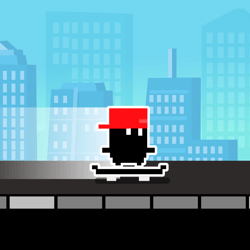
These preview visuals use the default cover art for Pixel Skate to reinforce the tone, pacing, and player fit described in the editorial notes above.
Rhythm and Timing
The best Pixel Skate runs have a repeatable cadence. You stop thinking about single jumps and start feeling the distance between hazards, which makes your inputs smoother and more predictable.
That rhythm is why hesitation is so costly. If you second-guess one movement, the next two obstacles usually arrive before you recover.
How to Read a Run
- Look two obstacles ahead, not one. The safe move often depends on what comes immediately after your next landing.
- Treat long clear sections as reset zones. Use them to stabilize your timing instead of adding unnecessary risk.
- If one pattern keeps beating you, isolate the exact obstacle transition that breaks your rhythm and practice that moment mentally.
Runs That Go Wrong
- Jumping because the screen feels busy rather than because the obstacle timing actually requires it.
- Overcorrecting after one imperfect landing and turning a small mistake into a full crash.
- Playing faster after a death instead of playing cleaner on the next attempt.
Questions New Players Actually Ask
Q: What is the fastest way to improve in Pixel Skate?
A: Stop measuring improvement only by survival time. Improvement often starts with making the first thirty seconds look cleaner and more repeatable.
Q: Should I focus on speed or consistency?
A: Consistency first. Once your movement rhythm is reliable, your speed naturally improves because you stop wasting motion on recoveries.
Q: Why do I fail the same obstacle chain repeatedly?
A: Because the real error often happens one move earlier. A slightly bad landing usually creates the impossible jump that follows.
Source & Rights
This Pixel Skate guide was written by Jason Park for GameBrewCove from repeated run analysis focused on rhythm, spacing, and recoverability. GameBrewCove does not own the embedded game or its assets.